In 2025, Auvergne-Rhône-Alpes registered 137 episodes of carbon monoxide poisoning, affecting 279 people. Of these, 24 required hyperbaric chamber treatment for oxygen recovery. One death was reported.
These figures represent a significant decrease compared to 2024, when 178 episodes were reported, leading to 692 poisonings and three deaths. Despite this downward trend, the risk persists and requires particular attention.
Poisonings primarily occur during the heating season, from October to April. They are often linked to faulty, poorly maintained, or misused heating or hot water appliances, as well as insufficient ventilation. These accidents can be prevented with simple preventive actions.
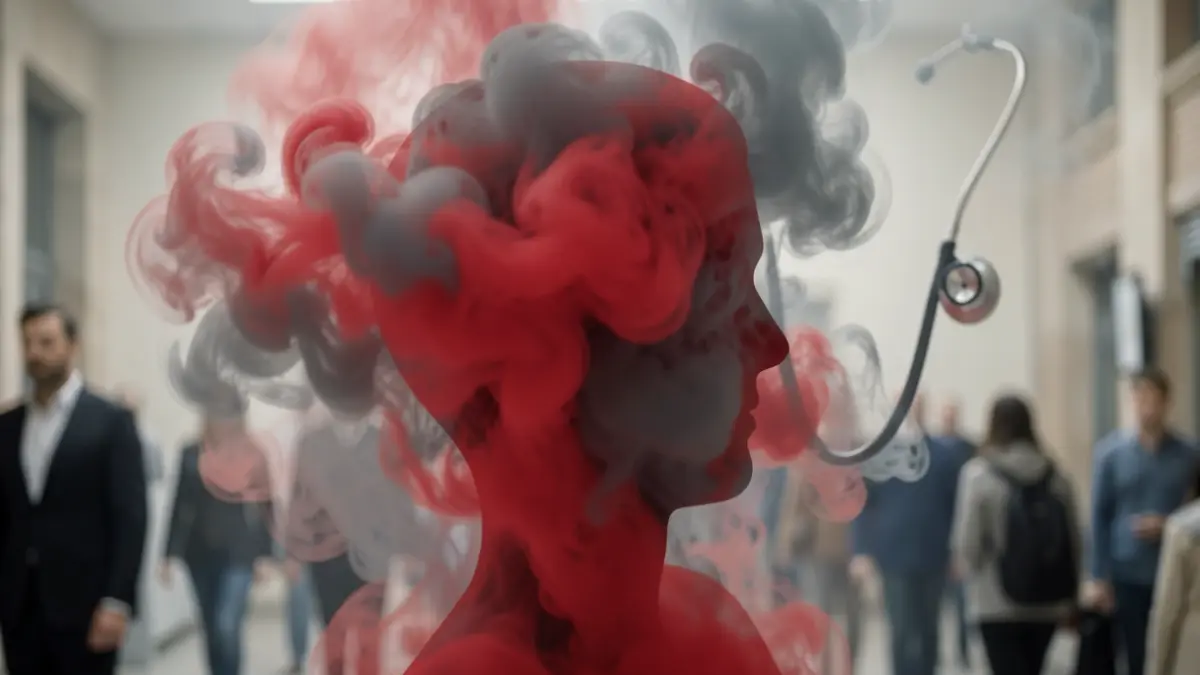
Carbon monoxide (CO) is a toxic, invisible, odorless, and non-irritating gas resulting from incomplete combustion of fuels. When inhaled, it displaces oxygen in the blood, causing severe, sometimes fatal, poisoning. Initial symptoms include headaches, nausea, vomiting, unusual fatigue, dizziness, or malaise. In severe cases, it can lead to loss of consciousness, coma, or death. The simultaneous presence of these symptoms in several people in the same location should raise suspicion of carbon monoxide poisoning.
The ARS Auvergne-Rhône-Alpes reminds the public of preventive measures: have heating systems checked by a qualified professional before each winter, have chimneys swept at least once a year, ventilate your home daily (at least 10 minutes), and never block ventilation grilles. It is also crucial to use appliances correctly: never use braziers, barbecues, or camping stoves to heat a home, limit the use of combustion auxiliary heaters to a maximum of two continuous hours, and always install generators outdoors.
In case of suspected poisoning, act immediately: open doors and windows if safe to do so, stop combustion appliances if possible, evacuate the premises, and call emergency services (15, 18, 112, or 114 by SMS). Do not return to the premises until authorized by competent services. Prompt medical attention is necessary, even for mild symptoms.
The ARS Auvergne-Rhône-Alpes conducts environmental investigations (83 in 2025) following reports to identify causes and prevent further accidents. It also provides awareness materials for local authorities and the public.