
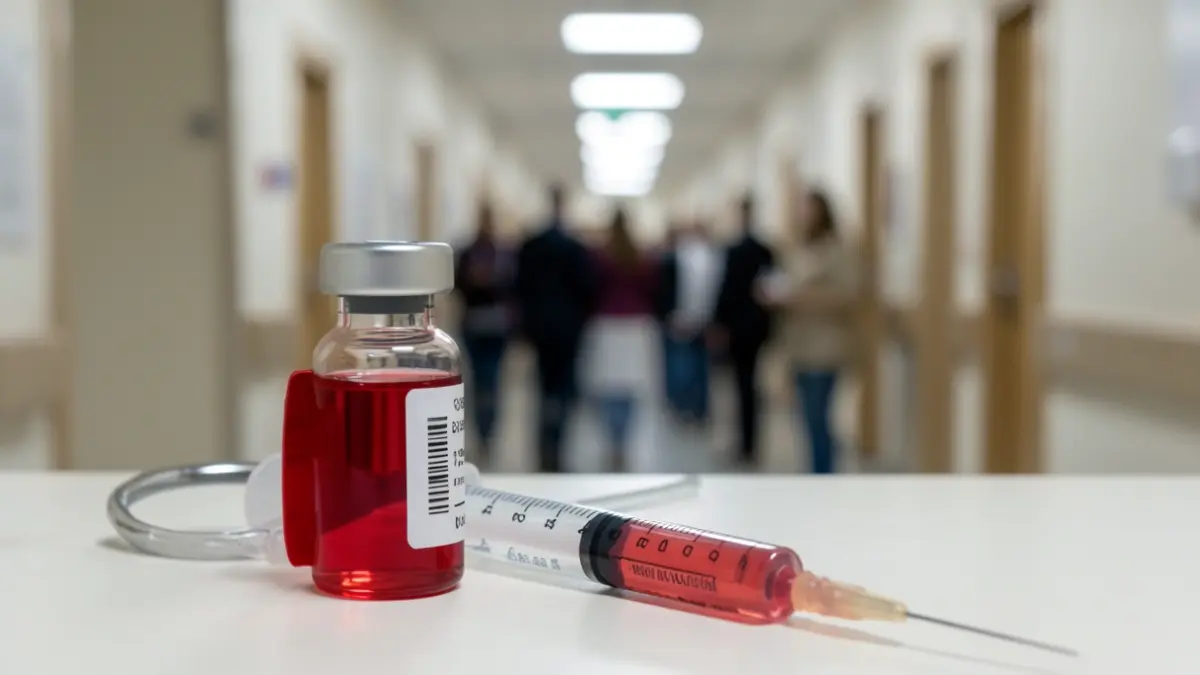
Despite being often perceived as a mild illness, influenza can have severe and lasting consequences for individuals over 65. It causes approximately 9,000 deaths annually in France, with over 90% affecting those aged 65 and older. Vaccination coverage in this demographic, after reaching nearly 60% in 2020-2021, dropped to 53.7% in 2024-2025, far from the WHO's 75% target. The vaccination campaign began on October 13th.
Elderly individuals are more vulnerable due to immunosenescence, malnutrition, associated treatments, or immunosuppressive conditions. Communal living in nursing homes (Ehpad) further increases the risk of transmission. Direct risks include severe pneumonia and bacterial superinfections. Flu can also exacerbate existing conditions like diabetes or heart failure.
The vaccine plays a crucial role in reducing the risk of myocardial infarction and stroke following a flu infection. Studies even suggest a significant decrease (30-40%) in the risk of developing Alzheimer's disease among those vaccinated annually. The systemic inflammation triggered by viral infection is detrimental to the cardiovascular system. Furthermore, flu can lead to lasting functional decline, muscle loss, and an increased risk of falls.
Vaccine side effects, such as fever or fatigue, are generally limited to 48 hours and are not major contraindications, except for specific allergies. The variety of available vaccines often allows for a suitable alternative. The vaccine's effectiveness, while not 100%, varies with the circulating viral strains each year and individual immune response. Optimized vaccines for those over 65, containing more antigens or an adjuvant, are recommended for better protection.
In the Auvergne-Rhône-Alpes region, 53% of individuals aged 65 and over are vaccinated, and over 85% of residents in the HNO nursing homes are vaccinated. HNO organizes annual vaccination campaigns in its nursing homes. Vaccination is straightforward: Social Security sends a coverage voucher, allowing direct vaccine collection from pharmacies without a prescription. The injection is 100% covered by Social Security, administered by a doctor, pharmacist, or nurse.
It takes about ten days after injection to be protected. Annual vaccination is recommended due to evolving viruses and waning immunity. The 'cocooning' strategy, vaccinating close contacts, enhances protection for at-risk individuals by reducing viral circulation.