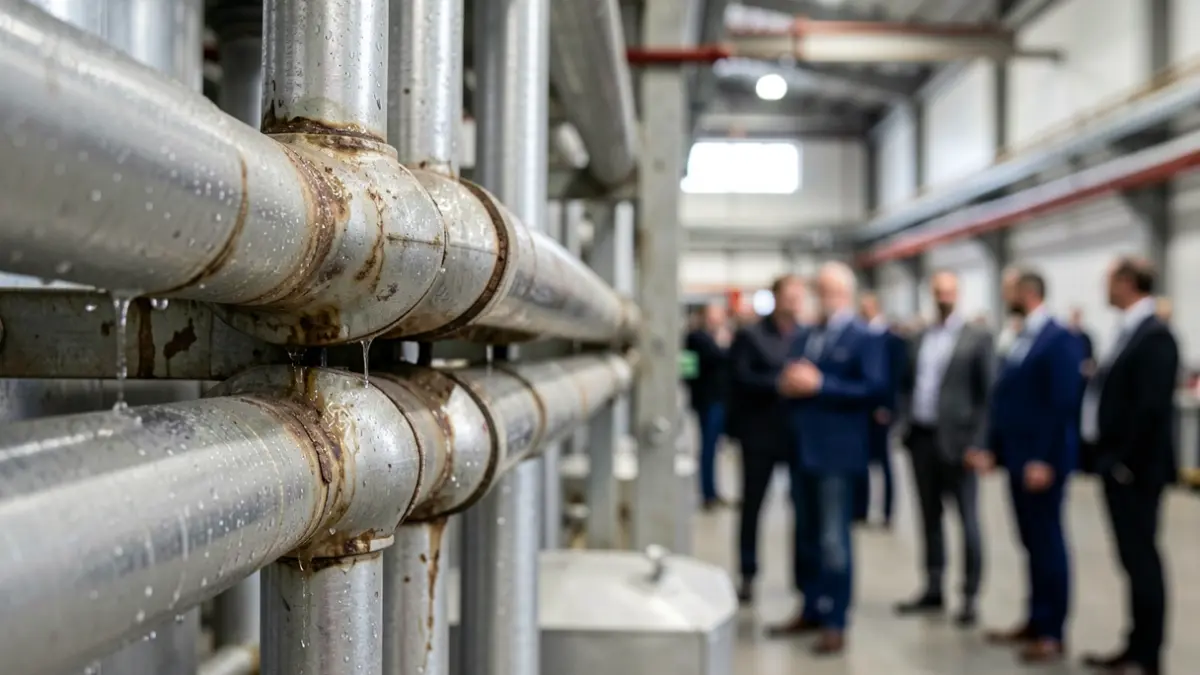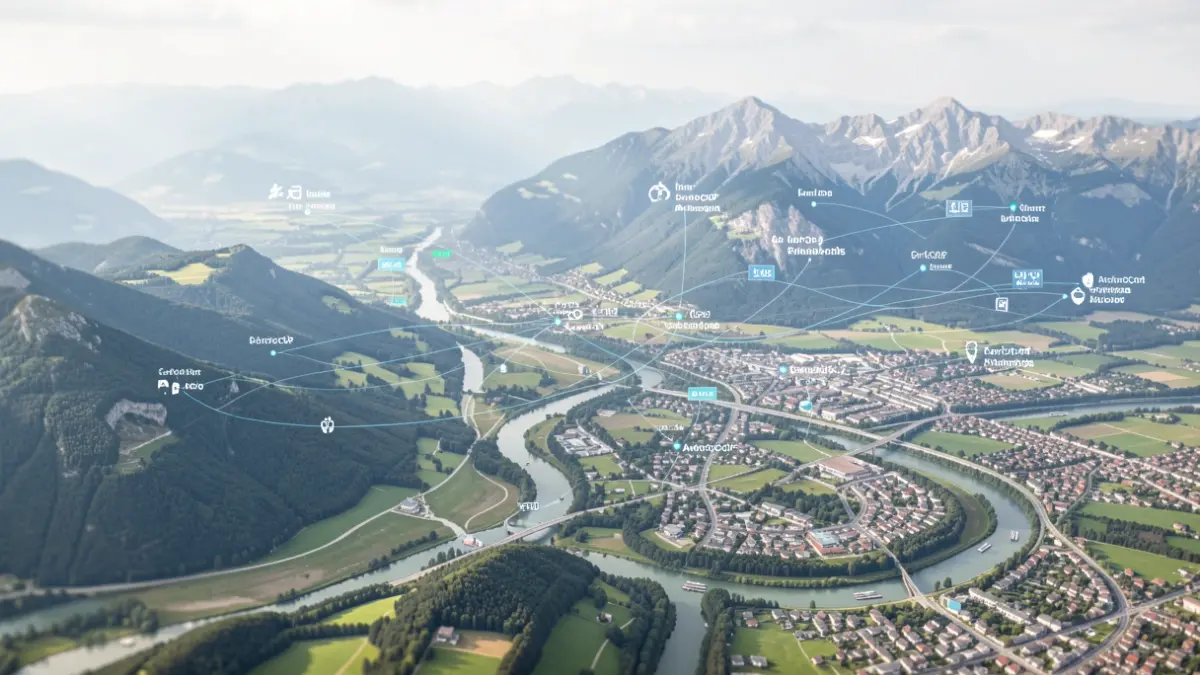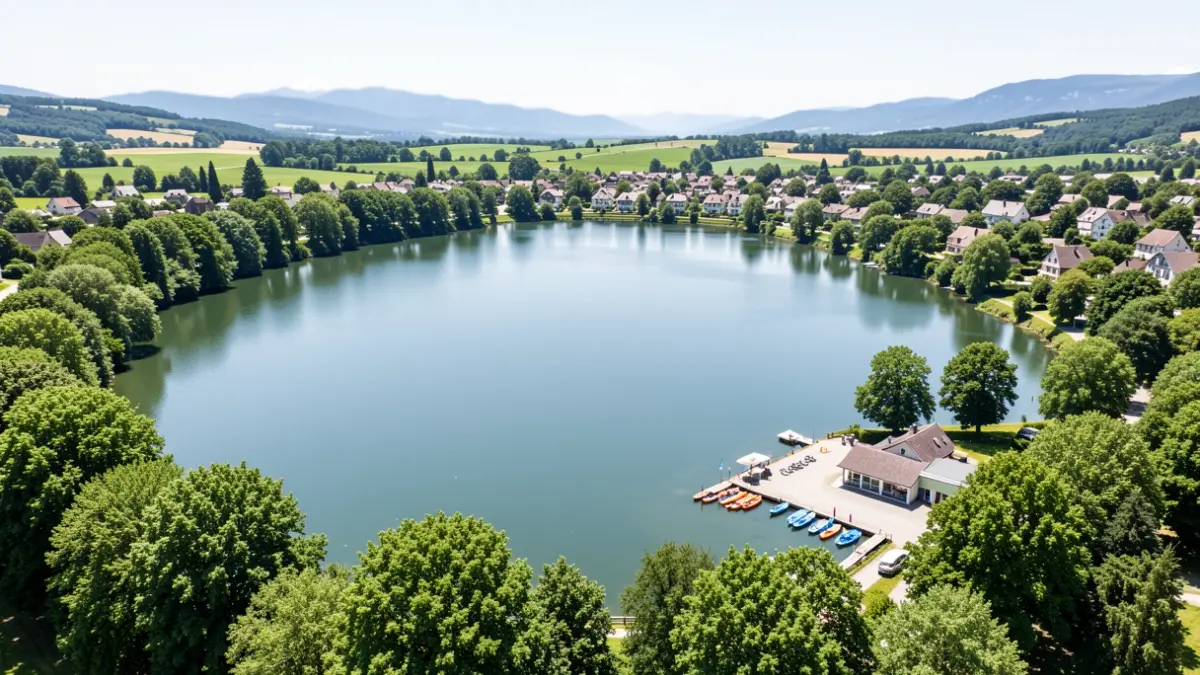
The Green Fund has supported 3,167 projects aimed at accelerating the ecological transition of territories and better protecting the region's inhabitants. These projects cover diverse areas such as renovation of public buildings' energy efficiency, renaturation, land recycling, mobility, air quality, natural risk prevention, biodiversity, engineering, industrial territories, public facilities, and territorial climate-air-energy plans (PCAET).
For 2026, efforts continue with the mobilization of €70 million, primarily dedicated to the renovation of schools and risk prevention and awareness. The complete list of subsidized projects is available on data.gouv.fr.
Regarding energy efficiency and summer comfort, the building sector, responsible for 27% of CO2 emissions and 45% of final energy consumption, is a priority target. In Auvergne-Rhône-Alpes, the State is committed to reducing building energy consumption by 40% and tertiary sector consumption by at least 30% compared to 2019. Supported projects aim for ecological insulation, heating system upgrades, improved summer comfort, and schoolyard renaturation.
In terms of land sobriety and living environment, the goal is to reduce land consumption by 50% by 2031 and achieve net zero artificialization (ZAN) by 2050. Projects aim to control urban sprawl, revitalize city centers, restore biodiversity, regulate floods and heatwaves, remediate soil, air, and water, and develop the economy.
Facing climate risks, 80% of municipalities in Auvergne-Rhône-Alpes are exposed to natural risks, and 70% to flood risk. The State is committed to fostering risk awareness, integrating these risks into land use planning, and better protecting the population. Supported projects contribute to preserving human life, improving risk knowledge, reducing economic damage, and implementing nature-based solutions.
The Green Fund supports the local economy, generating six euros of regional projects for every euro of subsidy committed.