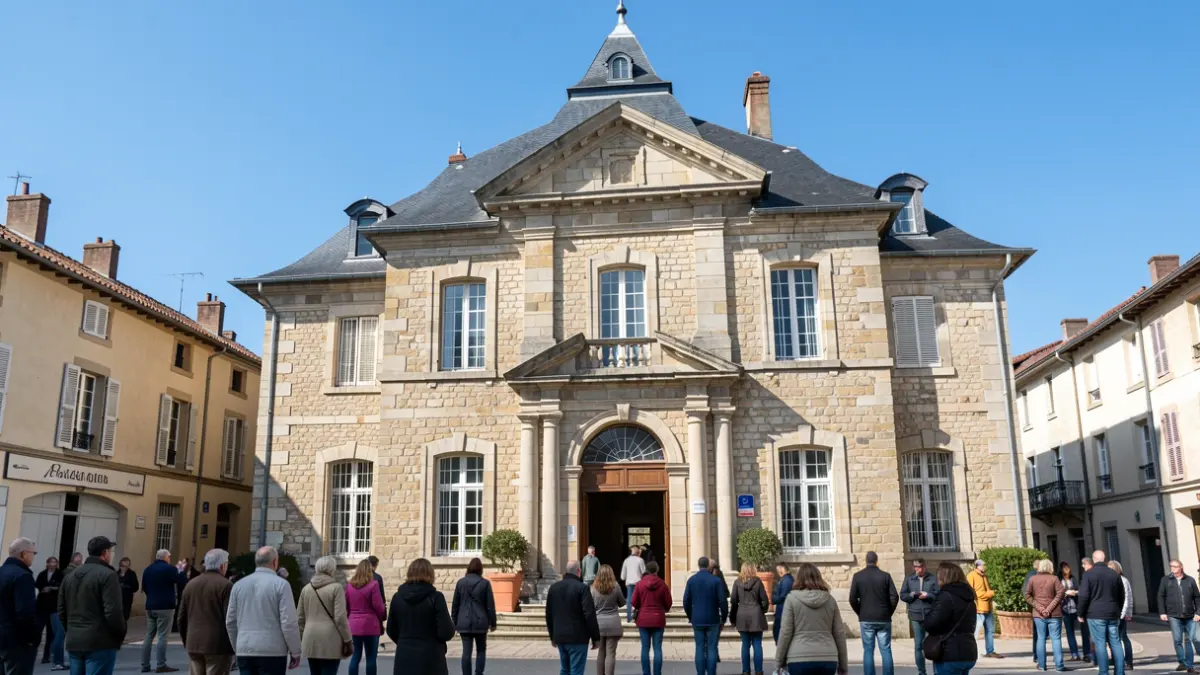
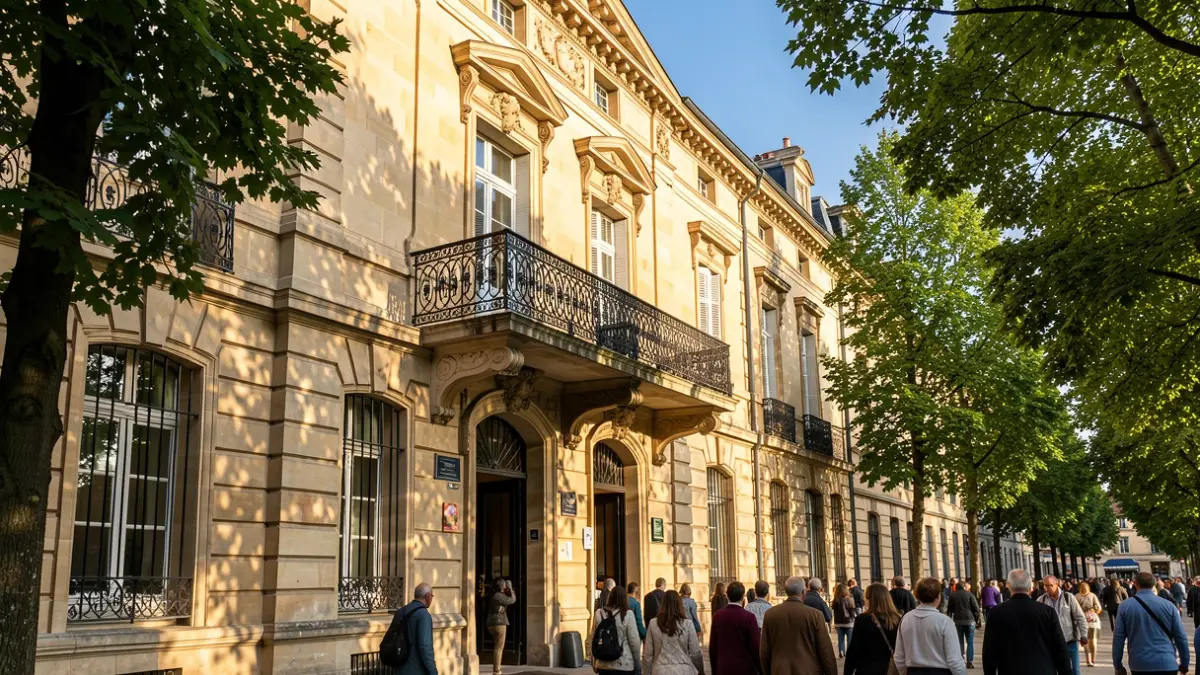
The current wooded area, composed solely of maples, has seen its tree count decrease over the years, from about 70 when the park opened in the 1980s to around thirty today. The majority of the remaining trees show signs of advanced aging, necessitating intervention.
A soil study revealed a sandy-loam soil, highly compacted and stony, with low organic matter content. This condition hinders the development of young trees, hence the need for extensive work to improve water retention and enrich the soil.
The action plan will begin in November 2026 with the felling of 20 trees. During the winter of 2026, the soil will be worked, enriched with organic matter and mycorrhizae, and a green manure will be sown. The perimeter will be protected by a ganivelle-type fence.
In autumn 2027, 80 to 100 young saplings of ten local species adapted to climate change will be planted. The site will remain protected by the fence during this phase.