
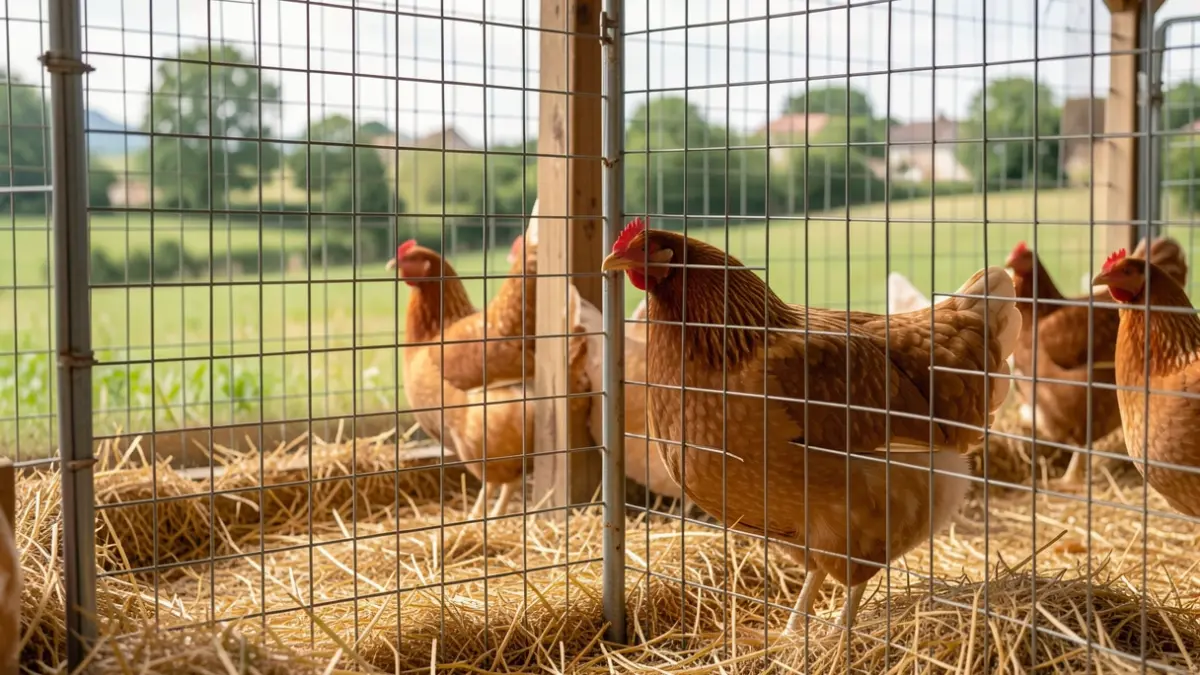
The recent confirmation of three HPAI outbreaks in several small multi-species backyard flocks, as well as the discovery of several wild H5HP ducks in Camargue, led to this decision. The significant increase in the number of cases in wild birds and poultry farms in many European countries also weighed on the risk assessment, as indicated in the information published in the letter to elected officials.
A ministerial decree published on 13 November formalised this shift to 'high' risk. This classification strengthens protection measures for poultry farms and generalises strict prevention measures across the entire territory. Housing poultry by confinement or net protection becomes mandatory. Similarly, vehicles intended for the transport of waterfowl over three days old must now prevent any significant loss of feathers and down.
Furthermore, gatherings of poultry and captive birds are banned. The transport of calling birds is restricted, as is the release of game birds from the Anatidae family. France also lost its disease-free status on 23 November following a new case detected in Nord-Pas-de-Calais.