As part of the Fête de la science 2026, themed « Saveurs savantes » (Savory Flavors), the public interest group ARC-Nucléart, located at the CEA Grenoble, is demonstrating how science brings vestiges of the past to life. This initiative, in partnership with The Conversation France, aims to deepen our understanding of ancient societies.
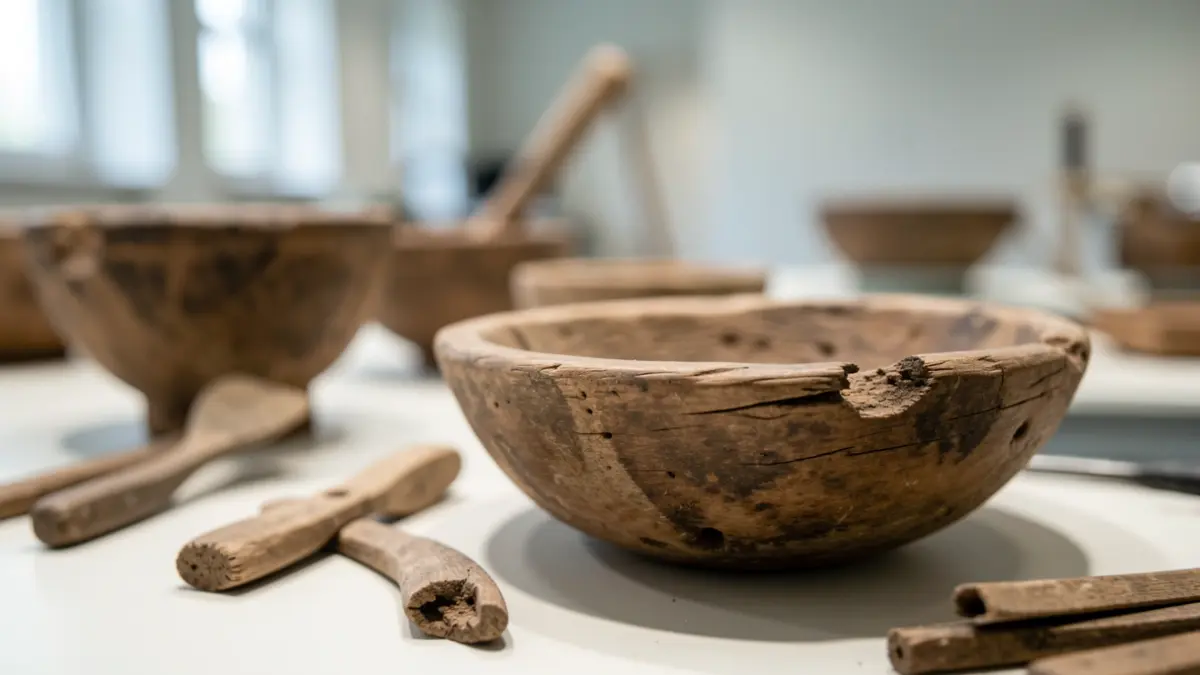
How can we know what people ate thousands of years ago? Clues are sometimes found in everyday objects such as a bowl, a spoon, or a fishing net. Preserving these organic materials—wood, leather, or plant fibers—is a significant challenge due to their fragility once removed from the damp environments that protected them.
For over 50 years, the teams at ARC-Nucléart have combined chemistry and nuclear physics to preserve these precious artifacts. These archaeological objects provide valuable information about the daily lives of our ancestors: their diets, cooking methods, fishing techniques, and food preservation practices. Vestiges discovered in Jura lakes or shipwrecks bear witness to dietary practices centuries, or even millennia, old.
A specific example is a coconut bowl recovered from the wreck of the Jeanne-Élisabeth, which ran aground in 1755 off the coast of Palavas. After treatment and restoration, it retains traces of decoration that offer a glimpse into its owner's life. « The contribution of science to archaeology and the conservation of cultural heritage is therefore essential, » the institution emphasizes.
The use of gamma radiation by ARC-Nucléart plays a crucial role in saving these objects and in transmitting their stories about our ancestors.