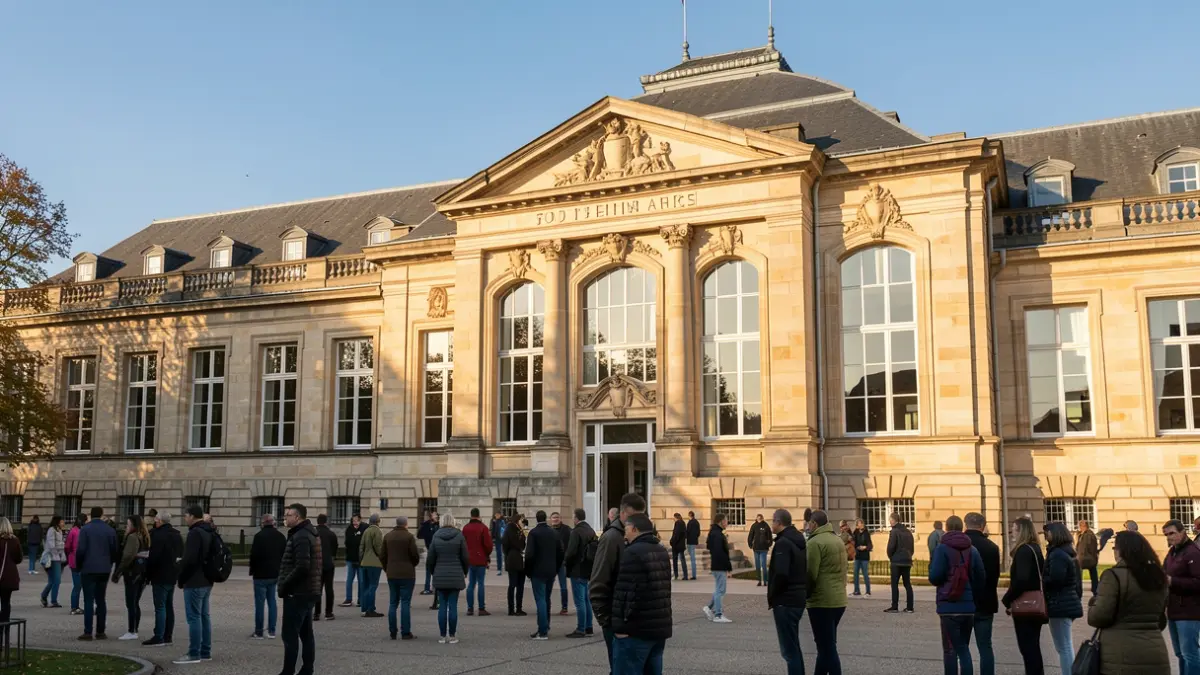

Organized by Sciences Po Grenoble - UGA, the University Grenoble Alpes, the City of Grenoble, and Grenoble Alpes Métropole, this initiative aims to generate proposals stemming from young people's experiences, whose concerns are sometimes insufficiently heard in public debate. The goal is to think about democracy "from the bottom up," starting from lived realities and the expectations of those who will shape tomorrow's institutions.
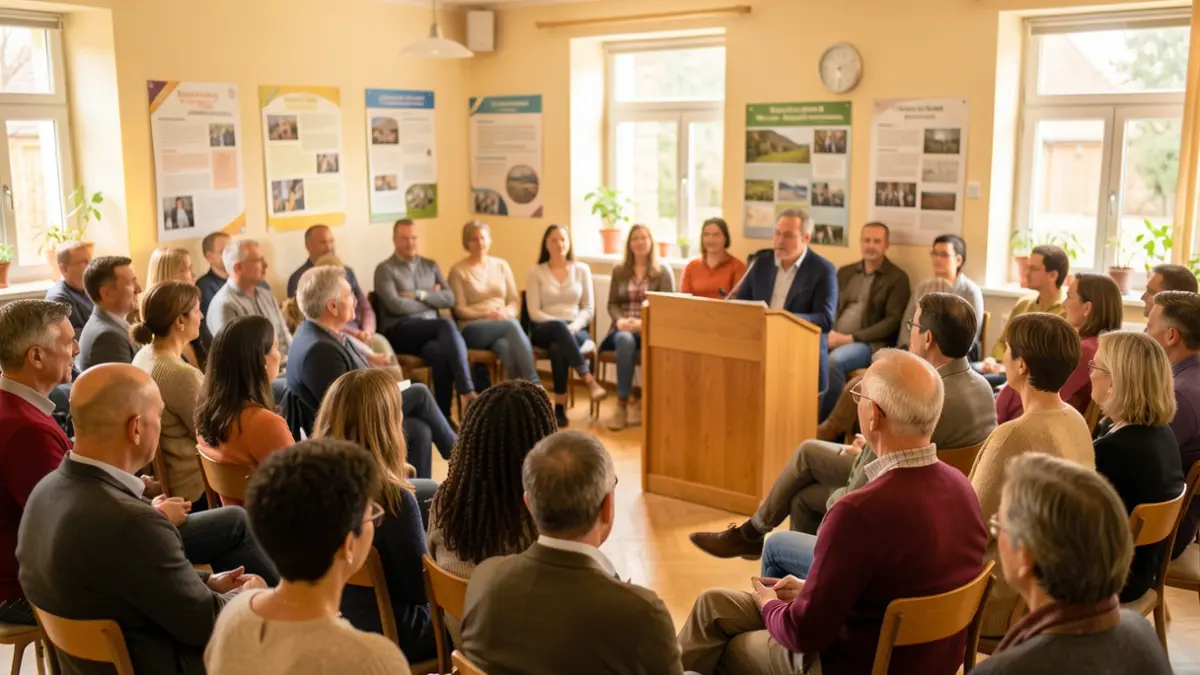
The first meeting marked the launch of a collective effort structured around four stages: understand, diagnose, build, and decide. Participants are invited to confront their viewpoints, question the functioning of institutions, and envision new ways of participating in public decisions. Questions such as 'Who should decide?', 'How can citizens be better represented?', and 'What forms of democratic participation should be developed?' form the guiding thread of this process.
This Grenoble convention is part of a broader national dynamic, linked to the Citizen Convention for Democracy organized in Lille. The discussions held in Grenoble are intended to feed into this national reflection and contribute to the recommendations formulated at the end of the Lille process. The Grenoble work will also result in a collective report of recommendations concerning national and local institutions, with a public presentation planned for institutional and political stakeholders, particularly in view of the 2027 presidential election.
Following this initial session, participants will reconvene on December 4 and 5 to continue their discussions. This initiative is part of the research program DemoCIS (Democracies, Citizenship, and Institutions in the Face of Transformations in Public Spaces), dedicated to the transformations of democracy. The initiative is supported by the DemoCIS program, funded by the State as part of France 2030, through the National Research Agency (ANR).