The reform of general medicine studies now allows junior doctors to undertake supervised independent consultations. This initiative aims to strengthen their practical training, prepare them for future practice, and improve healthcare access for the population. The Auvergne-Rhône-Alpes Regional Health Agency (ARS) has praised the commitment of medical faculties, healthcare professionals, and local elected officials in supporting these future doctors.
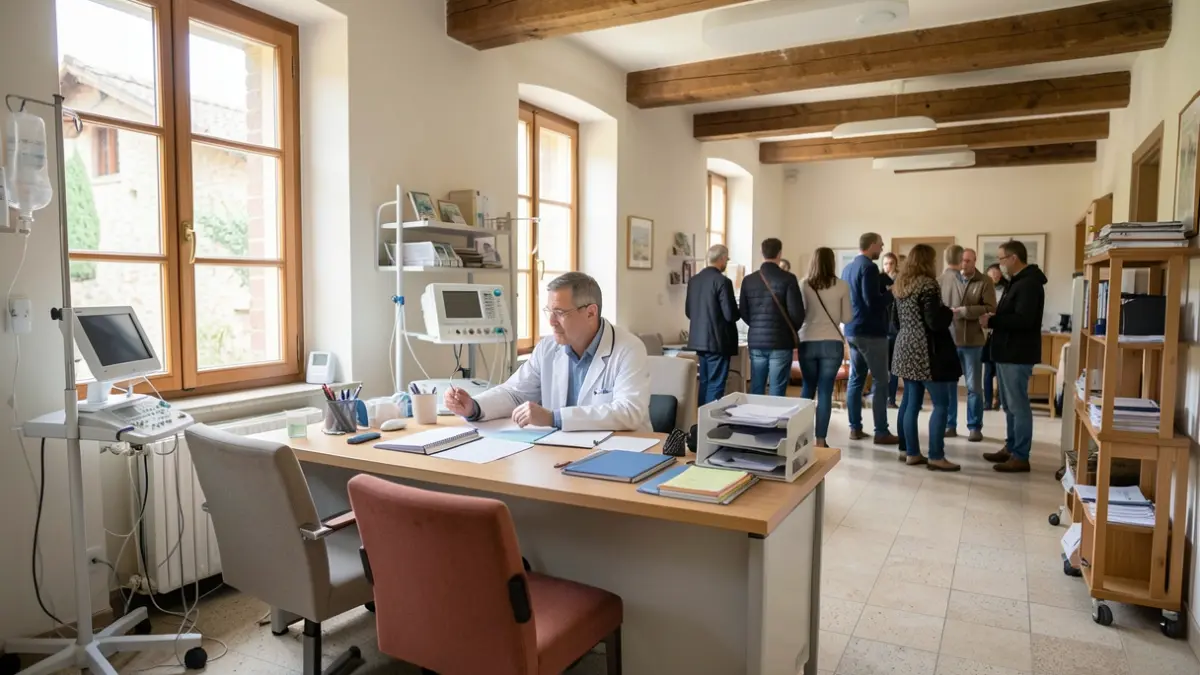
These final-year trainees will be able to establish diagnoses, provide care, and perform preventive actions under the supervision of an experienced general practitioner. Dr Frédéric Zorzi, a general practitioner and university training supervisor, highlights the importance of this year for the confidence and professional development of junior doctors, noting that only 30% of trained general practitioners end up establishing practices in family medicine.
The typical weekly schedule for junior doctors includes 3 days of consultations, 1 day of university training, and 1 day of territorial health activities (EHPADs, PMI, CPTS). Junior doctor Laura Locatelli chose to complete her year in Beynost under Dr. Zorzi's supervision due to his teaching methods and the diverse internships offered.
The ARS Auvergne-Rhône-Alpes mobilized university training supervisors from the summer of 2025, with over 83% located in priority areas. In total, 33 supervisors have been accredited, with 23 placements distributed across the Ain department, all situated in priority intervention zones (ZIP) or complementary action zones (ZAC).
In the Ain department, 23 junior doctors are now established in 17 municipalities, contributing to the local healthcare provision. The department has 388 general practitioners (5.7 per 10,000 inhabitants) and 31 multi-professional health centers. The community of communes of Miribel et Plateau reports 8.7 general practitioners per 10,000 inhabitants, although 11% of the local population still lacks a primary care physician.