For the 2026 school year, the Combrailles, Sioule et Morge Intercommunal Community is maintaining its support for the territory's school establishments. This commitment is demonstrated through financial aid, specific programs, and increased collaboration with pedagogical teams.
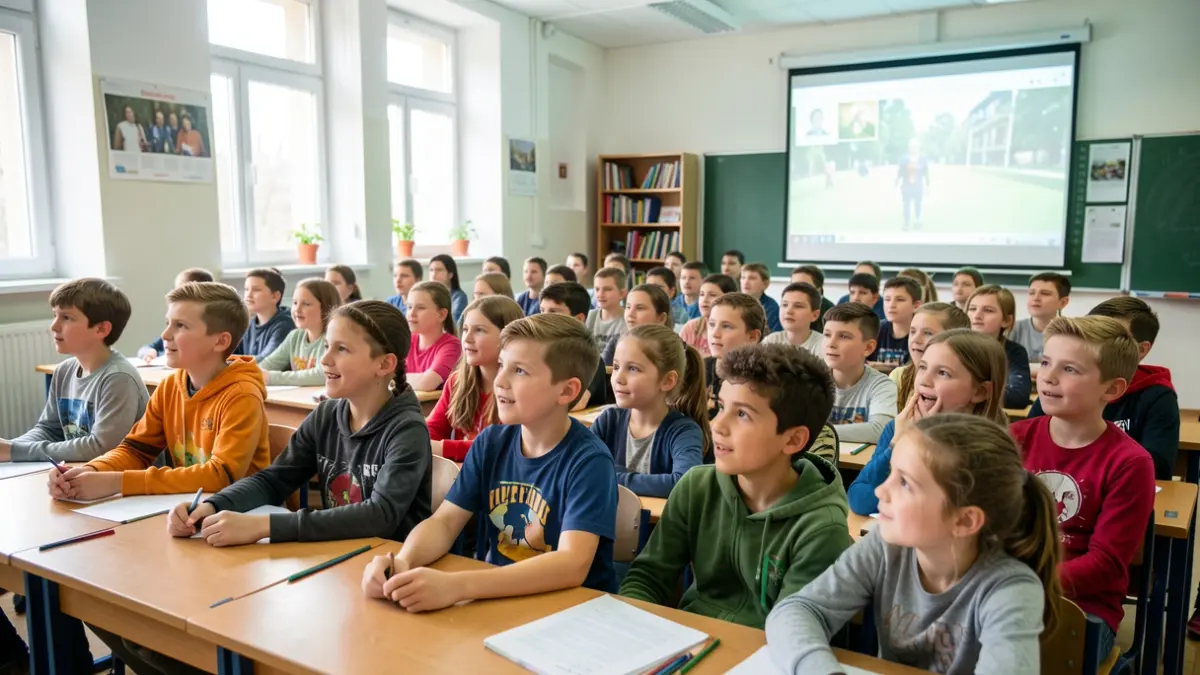
On Tuesday, October 13th, the President of the intercommunal community, Sébastien Guillot, and the Vice-President for Childhood-Youth, Joëlle Rousselet, participated in a back-to-school meeting. They were joined by representatives from the National Education, including Marie Pellegry, National Education Inspector for Riom-Combrailles, as well as pedagogical teams and community services. This exchange allowed for the presentation of existing programs and continued dialogue on the needs of schools, coordination between school and extracurricular times, and child support.
For the 2025-2026 school year, the intercommunal community allocated €94,492 to support school establishments. A guide lists seven programs to specifically support transport to intercommunal facilities, sports activities, as well as school trips and journeys. Students can thus benefit from various activities at the La Viouze cinema, in the media libraries, at La Passerelle, in music schools, or at the Science School.
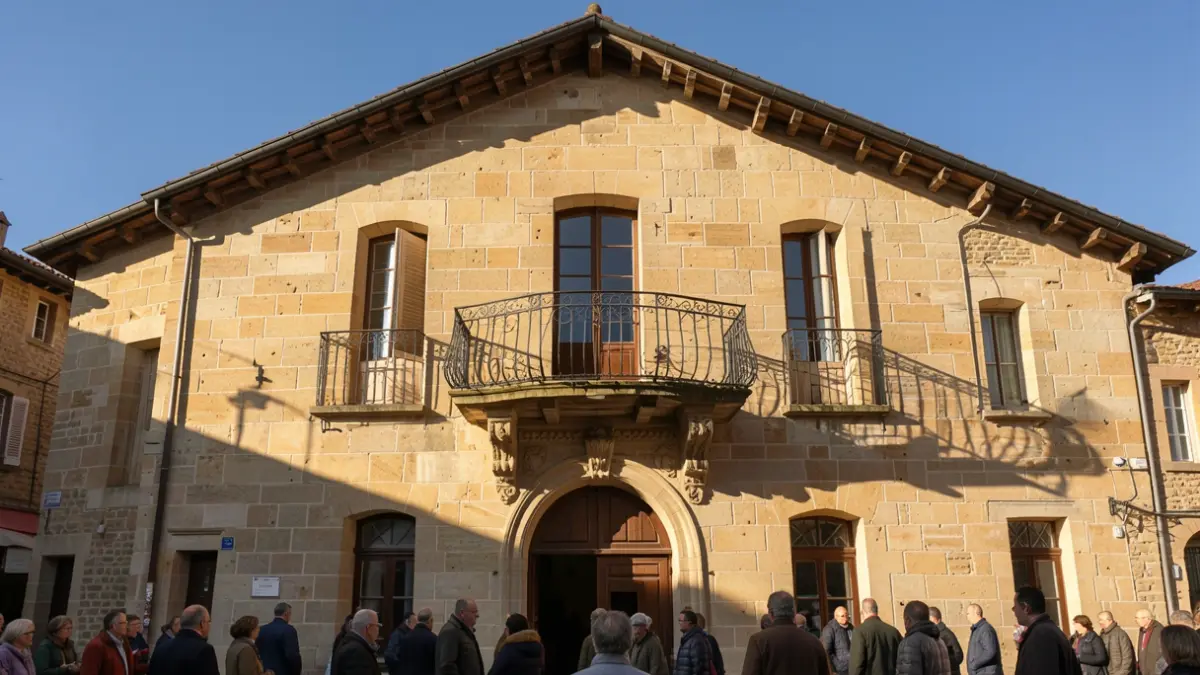
On Thursday, October 15th, Sébastien Guillot visited the Science School in Châteauneuf-les-Bains. He was accompanied by the rector Virginie Dupont and the academic director of Puy-de-Dôme, Dominique Terrien. Established in 2003 in the premises of the former municipal school, this structure supports teachers in their scientific projects and currently welcomes approximately 150 classes per year from across the department.
Visitors were able to discover the work being done on-site and immerse themselves in a pedagogical session with 20 students from the preschool sections. Accompanied by their teacher, the children explored the banks of the Sioule River before returning to class to analyze their observations and conduct experiments on the living world, mixtures, and states of matter.
Created under the impetus of the National Education and the SMADC, the Science School contributes to teacher training and the development of scientific education in primary schools.