As an international research facility, the ILL continuously seeks to grow the neutron community and reach out to new member states. The new partnership with Canada serves as an excellent example, and there is hope that Kazakhstan will become a Scientific Member from 2027. With ILL operations planned until at least 2033, the initial goal is to work with prospective member states over the next two years to establish first contracts for the 2029-2033 period.
Having engaged with approximately 20 countries based on previous contacts and their recent use of ILL (allowed within the ‘two-thirds’ access rule), 15 countries responded positively. Of these, 13 countries were able to participate in the workshop at ILL, supported by international staff members from 8 of these nations. The event included presentations of ILL by its directors, key input from participants regarding their countries' involvement in international research infrastructures, and round table discussions.
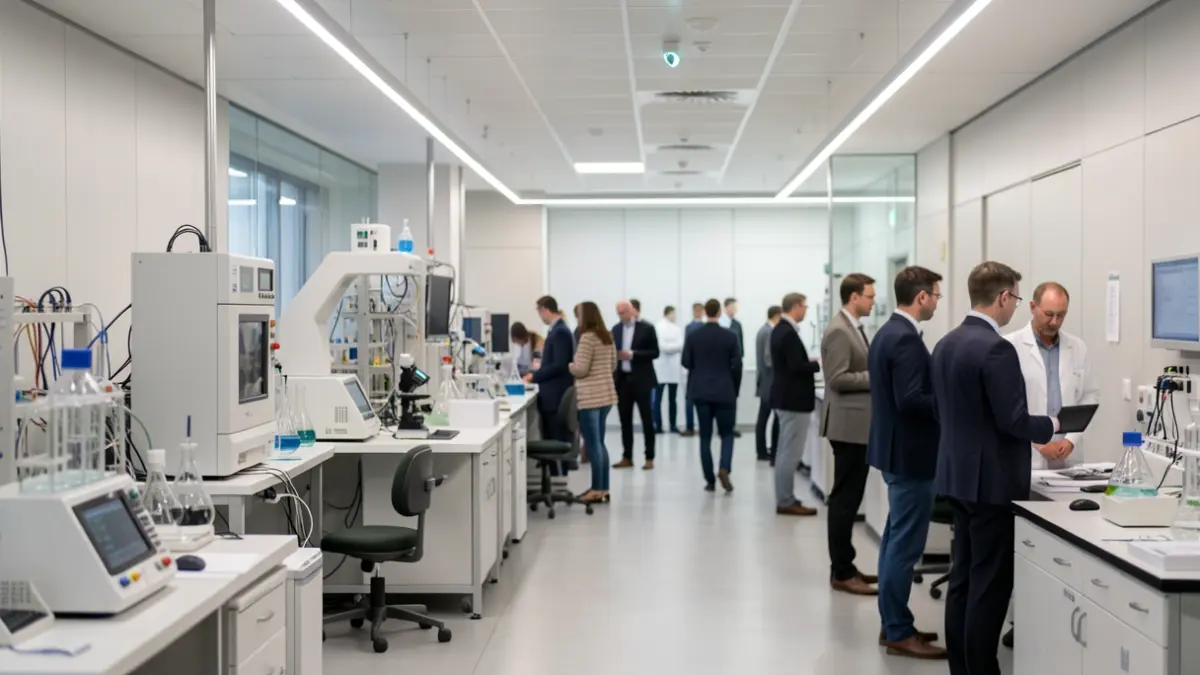
A visit was also organized to showcase ILL, including the reactor, instrument halls, sample environment workshops, and the Partnership for Soft Condensed Matter. Overall, the event was very positive, with a collective enthusiasm to explore and work towards scientific membership.
With each prospective member, ILL intends to sign a Memorandum of Intent. This document will establish the commitment of both parties and outline the actions to be undertaken, such as outreach events in the respective countries and engagement with funding agencies.