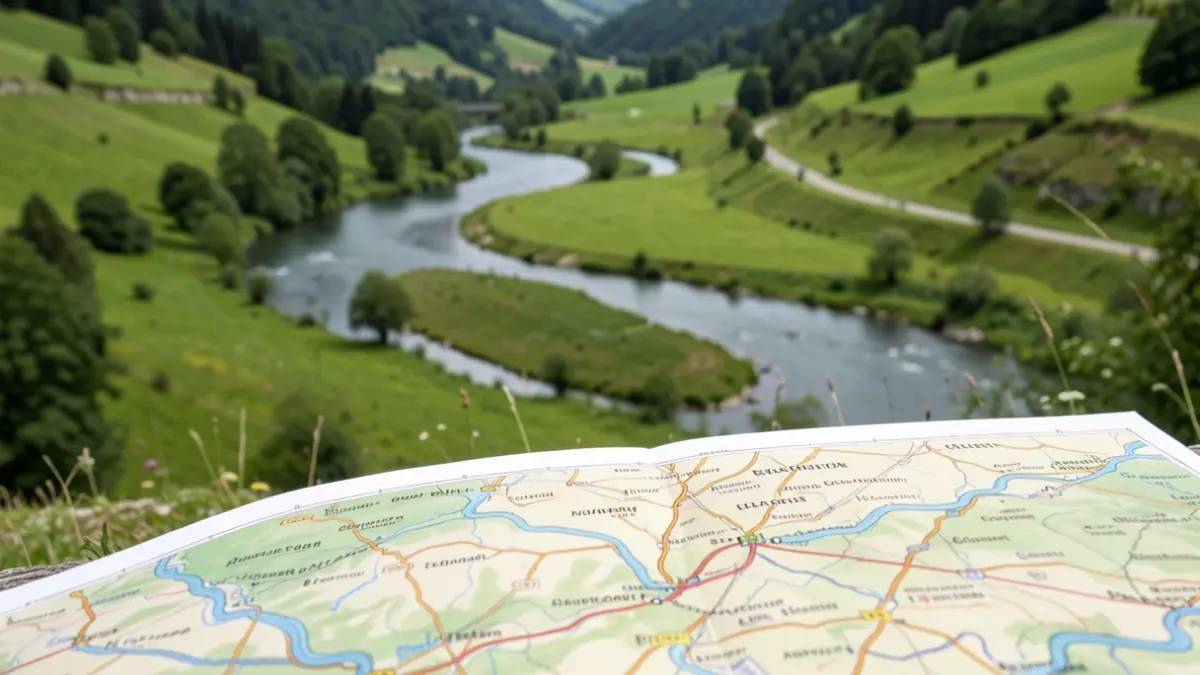
The Syndicat mixte du Parc naturel régional des Baronnies provençales is now offering "Cart’eaux balades" at the tourist office. This discovery map of the Veynes alluvial plain, designed by artist Charlotte Némoz with resident participation, features three routes to explore local rivers and canals. The aim is to encourage families and visitors to see this precious resource, threatened by climate change, in a new light.
This initiative is the result of "L’eau en partage" (Water in Sharing), a year-long artistic residency conducted by Charlotte Némoz, a landscape artist and visual artist, in Veynes during 2025 and 2026. Over 130 people, including 80 children from schools and the social center, contributed through walks, public meetings, and workshops, sharing their stories and perceptions of water. These contributions led to the creation of Cart’eaux graphies, an initial cartographic and playful object, now developed into a discovery map.
The map presents three distinct itineraries: "Vers les tresses du Petit-Buëch" (Towards the braids of the Petit-Buëch), leading to the water body and the Iscles marsh, home to the European beaver and the Mediterranean brown trout; "Les eaux de Glaisette" (The waters of Glaisette), recounting the factories and fountains that water brought to life; and "Les prises d’eau du Petit-Buëch" (The water intakes of the Petit-Buëch), revealing irrigation canals, a fish pass, and subfossil trees nearly 15,000 years old. Riddles and anecdotes punctuate these routes for all ages.
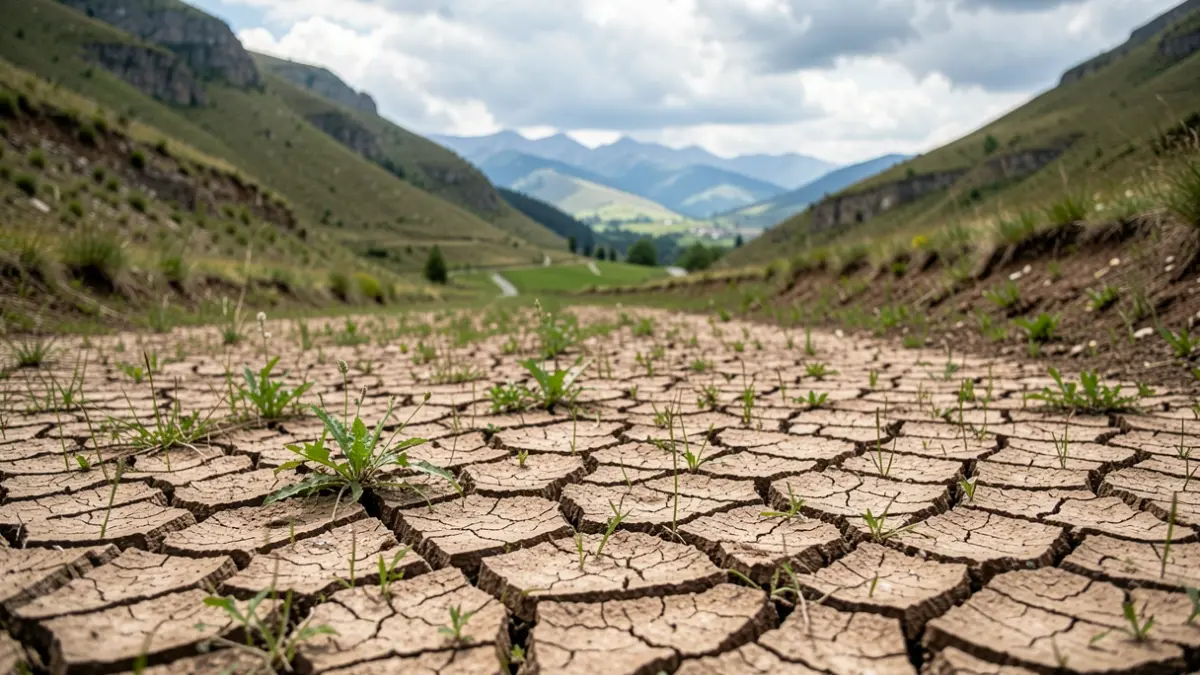
Beyond the pleasure of walking, the map addresses crucial issues related to climate change, such as reduced water availability, soil drying, and loss of aquatic biodiversity. It aims to foster dialogue among all water users and recognize their expertise, in line with the Regional Natural Park's charter, which promotes the sustainable preservation and sharing of water resources as heritage. The map is available free of charge in print and online on the park's website.